

The Right Exterior Work Helps Keep Water, Pests, and Rot Out of Your Walls
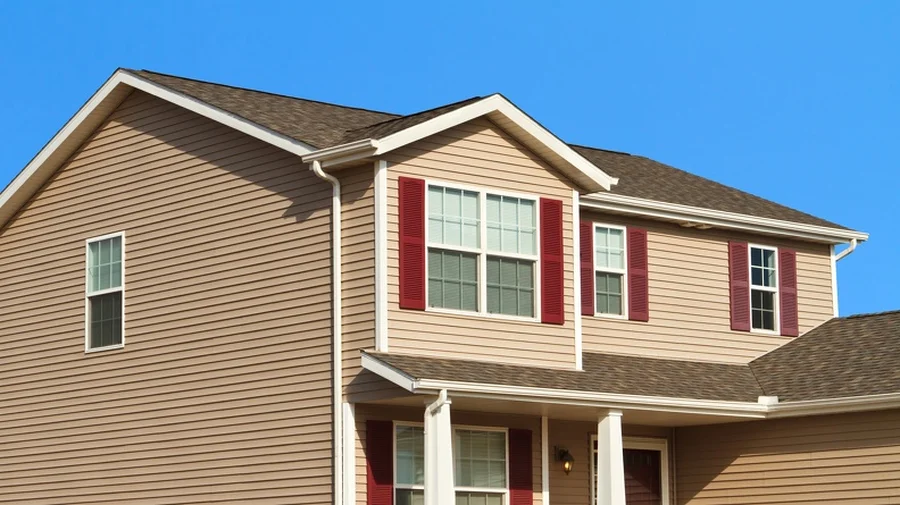
Proper siding installation helps stop water from getting behind your home’s outer walls. That matters because trapped water can lead to rot, mold, swollen wood, and weak framing over time. When panels, trim, flashing, and house wrap are placed the right way, your home has a better barrier against rain and wind. In Kapaʻa, HI, this can help protect both older homes and newer ones from slow damage that starts small but grows fast.
Why Prevention Matters
Your siding does more than make a house look nice. It acts like a shield. It helps block rain, snow, humid air, bugs, and debris. If that shield has gaps or loose areas, moisture can slip in. Once water gets behind the surface, it may soak into wood sheathing, studs, and insulation. Over time, that can weaken parts of the house.
A lot of structural problems start in hidden spots. A wall may look fine from the outside, but water could be sitting inside for months. Proper siding installation lowers that risk by giving water a path to move out instead of staying trapped. Good exterior work also helps the wall dry better after storms.
Early Warning Signs
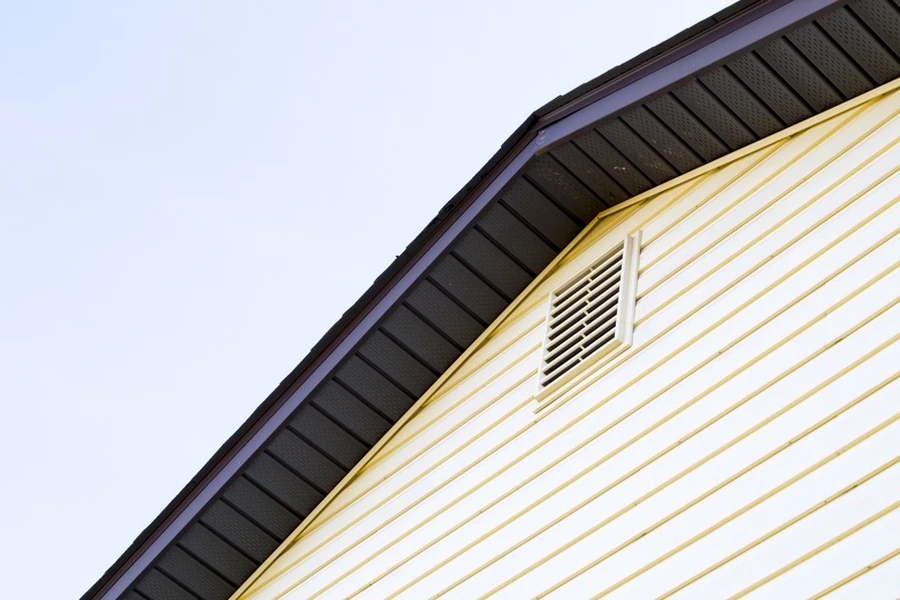
Small clues often show up before major damage starts. Homeowners should pay attention to changes around the outside of the house and inside near exterior walls. Catching these signs early can help avoid bigger repairs later.
- Warped or buckled siding panels
- Peeling paint near windows or doors
- Soft spots in trim or wall edges
- Water stains on indoor walls
- Moldy smells near exterior rooms
- High humidity or damp insulation in wall areas
- Cracks or gaps where panels meet
These signs do not always mean major structural damage is already there. Still, they can point to a problem with moisture control, flashing, or poor installation details. Even the service category keyword can relate to the full exterior system when different parts of the home work together to keep water out.
Seasonal or Routine Checklist
Prevention works best when you check your siding on a regular schedule. Most people do not need special tools. A simple walk around the home after storms and at the start of each season can help spot trouble early.
- Look along the bottom edge of the siding for swelling or loose panels.
- Check around windows, doors, vents, and corners for gaps.
- Look for missing caulk or cracked sealant near trim pieces.
- See if gutters overflow onto the siding during rain.
- Check for plants, mulch, or soil pressed against lower wall sections.
- Look in the attic or crawl space for signs of moisture after heavy rain.
- Schedule repairs quickly if you notice repeated wet spots.
This kind of routine helps because water often enters at weak points, not in the middle of a wall. A tiny opening around a window can send water behind the siding and down into framing. When siding installation is done with the right overlap, fastening, and flashing, those weak points are better protected.
Best Practices for Long-Term Results
Long-term protection comes from good planning and solid workmanship. The outside surface alone is not enough. The layers under it matter too. House wrap, flashing tape, starter strips, trim, and fasteners all play a part in keeping walls dry and stable.
One best practice is giving water a way out. Siding should shed water, not trap it. Another is leaving room for the material to expand and move with weather changes. Panels that are nailed too tight can buckle. Gaps that are skipped can cause pressure and cracking. Flashing above windows, doors, and joints helps direct water away from the inside of the wall.
Ventilation also matters. A wall that can dry out is less likely to suffer long-term decay. That is one reason proper siding installation is about more than attaching panels. It is a full moisture-control system that protects the frame of the house.
What Not to Do
Some mistakes make structural damage more likely, even if the siding looks fine at first. Quick patch jobs and poor repairs often hide the real problem instead of fixing it.
- Do not install new panels over rotted sheathing without repairs.
- Do not skip flashing around windows, doors, and roof lines.
- Do not nail panels too tightly.
- Do not block drainage paths at the bottom edge.
- Do not ignore gutter leaks that pour water onto walls.
- Do not let sprinklers soak the same wall every day.
- Do not seal every gap if the system needs drainage and drying space.
These mistakes can lead to trapped moisture, mold growth, insect activity, and wood rot. In some homes, the damage spreads to framing, subfloors, or rim joists. That is when a surface issue turns into a structural one.
When to Schedule Professional Help
Some issues are easy to spot but hard to fix the right way. If panels are coming loose, if walls feel soft, or if water stains keep returning, it is smart to have the exterior checked by a trained team. The same goes for homes with old siding, storm damage, or signs of hidden rot near windows and corners.
Professional help is also a good idea before a full replacement project. A proper inspection can show whether the wall under the siding is still solid. If damaged wood, failed wrap, or bad flashing is found, those parts should be fixed before new materials go on. That step helps the new siding installation last longer and do its job better.
Get Help Protecting Your Home’s Exterior
If you have seen signs of moisture or wall damage in Kapaʻa, HI, we can help inspect the problem and explain the next steps. At Built X Basilio, we focus on siding installation that helps protect the structure behind the surface. Call us at (808) 515-7549 to talk with our team and schedule a visit.